
Damiano Ciolli – Botte 22 – Trebbiano Verde & Ottonese – Vino Bianco
Damiano Ciolli

Damiano Ciolli – Botte 22 – Trebbiano Verde & Ottonese – Vino Bianco

185,00 DKK
  • Tax included.

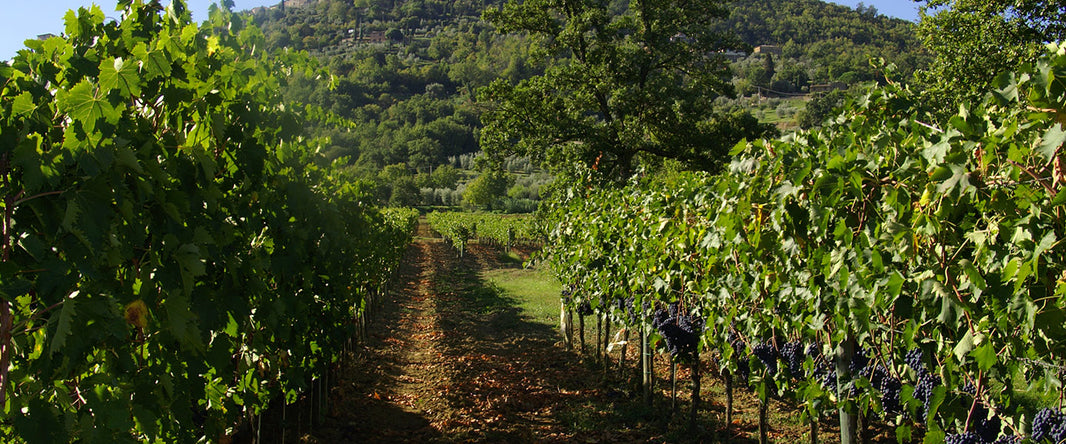
Botte 22 (Botte Ventidue) is the white wine of Damiano Ciolli, the small family estate in Olevano Romano, just southeast of Rome, best known for its Cesanese. Born from an idea of Letizia Ciolli and the couple’s ongoing study of their local territory, it brings together two historic white grapes of Lazio: 70% Trebbiano Verde and 30% Ottonese (the local name for Bombino Bianco). The grapes come from about one hectare of old, Guyot-trained vines facing southeast at around 350 meters above sea level, rooted in red volcanic soil.

The grapes are hand-harvested in late September. After destemming, they macerate on the skins overnight at low temperature, giving the wine extra texture and depth, before pressing and spontaneous fermentation in Austrian oak barrels. The wine then ages for around 11 months in barrel on its lees, followed by one month in concrete before bottling.

Crystal-clear straw yellow with golden reflections. The nose is intense and complex, with ripe yellow fruit, dried fruit and a buttery touch, finishing with spicy, ethereal notes. On the palate it is layered and textured with good persistence and a savoury, volcanic freshness. Serve at 8–10°C with richer first courses, white meat and poultry.

Light
Full
Low Tannins
High Tannins
Dry
Sweet
Low Acid
High Acid
Details

Grape Variety: 70% Trebbiano Verde, 30% Ottonese (Bombino Bianco)

Alcohol: 12.5%

Serving Termperature °C: 8-10°C

Ageing Potential: 3-5 years

Terroir: Olevano Romano - Lazio

Producer

Damiano Ciolli

Damiano Ciolli is a small family estate in Olevano Romano, a medieval hill town about 50 km southeast of Rome, in a corner of Lazio that has long been known for both olive oil and wine. For generations the Ciolli family grew grapes and sold their wine in bulk to the trade in Rome. When Damiano took over in 2001, he decided to bottle the estate's wines himself and show what Cesanese, Lazio's great native red grape, can really do.

The estate covers around seven hectares between 300 and 450 metres above sea level, on deep red volcanic soils with a texture like coffee grounds, cooled by breezes from the Tyrrhenian Sea. Damiano works with his wife Letizia Rocchi, who holds a PhD in viticulture and oenology, and together they farm without chemicals, using cover crops to encourage biodiversity and soil health between the vines.

In the cellar, fermentations rely only on indigenous yeasts, mostly in concrete vats, with each vineyard block vinified separately and nothing added. The focus is Cesanese d'Affile, from the bright, juicy Silene to the long-aged Riserva Cirsium, alongside Botte 22, a white made from the historic local grapes Trebbiano Verde and Ottonese. The wines are fresh, floral and savoury, with real finesse and drinkability, and Damiano and Letizia have played a key role in bringing Cesanese back to international attention.

Terroir

Olevano Romano - Lazio

Olevano Romano is a medieval hill town about 50 km southeast of Rome, in the Prenestini hills of Lazio, and the heart of the Cesanese di Olevano Romano DOC. Vineyards sit between roughly 300 and 450 metres above sea level on deep red volcanic soils with a fine, coffee-ground texture, cooled by breezes from the Tyrrhenian Sea and the nearby Apennines. These conditions give Cesanese, Lazio's great native red grape, freshness, perfume and a distinctive savoury, volcanic edge.

Region

Lazio

Lazio, the region surrounding Rome, has made wine since Etruscan and Roman times. Its landscape of volcanic hills, ancient lakes and Apennine foothills offers mineral-rich soils and a mild Mediterranean climate. After decades focused on quantity, a new generation of growers is reviving Lazio's native grapes, above all the red Cesanese and historic whites such as Trebbiano Verde and Bombino (Ottonese), producing fresh, characterful wines with a strong sense of place.