2022 Sciara – Centenario – Etna Rosso – DOC
Sciara

2022 Sciara – Centenario – Etna Rosso – DOC

529,00 DKK
  • Tax included.

Sciara's top wine, named for its vines: Nerello Mascalese more than a century old, among the few pre-phylloxera plantings left on Etna, trained as alberello on the lava terraces of the Feudo di Mezzo cru at 630 metres. Whole clusters ferment spontaneously with indigenous yeasts, and the wine is aged for 19 months in amphorae and fibreglass containers, with no clarification or stabilisation. Intense aromas of cherry, bramble, tea leaves, crushed rock and wood moss, with fresh fruit and layers of dried herbs and minerals giving remarkable elegance. A wine to sit with, not rush: try it with truffle pasta, sea urchin or roast suckling pig.

Light
Full
Low Tannins
High Tannins
Dry
Sweet
Low Acid
High Acid
Details

Grape Variety: 100% Nerello Mascalese

Alcohol: 13.0%

Serving Termperature °C: 16-18°C

Ageing Potential: 10-15 years

Terroir: Etna DOC

Producer

Sciara

Sciara is the project of Stef Yim, one of the most talked-about new names on Mount Etna. Born in Hong Kong and raised in California, Stef worked as a sommelier and made his first wines in California and south-west France before searching Europe for a place where altitude, old vines and volcanic soil came together. After considering Tenerife, he settled on Etna, buying his first plot at the end of 2015 and moving to Randazzo, on the volcano's northern side, the following year.

Today Sciara farms just under six hectares spread across a handful of contrade on the north, west and south slopes of Etna, from around 630 metres up to over 1,500 metres. Altitude is the thread running through everything: most wines are named after the height of the vineyard they come from, and the estate's holdings include a parcel of own-rooted, pre-phylloxera Nerello Mascalese more than a century old, as well as Cru Cielo, a 1.1-hectare plot planted by hand in 2020 at 1,520 metres, described as the highest vineyard in Europe.

The vineyards are farmed organically and the wines are made with wild-yeast fermentations, very little sulphur and no fixed recipe. Stef adjusts whole-bunch proportions, maceration and vessel each year, using barrels, fibreglass, sandstone and amphorae, some of them buried directly in the vineyard. Alongside Etna's native Nerello Mascalese, Nerello Cappuccio and Carricante, he works with Grenache and other varieties suited to the high, cool sites. Production is tiny, around 12,000 bottles a year, and the wines are fine-boned, mineral and full of energy, a fresh voice for one of Italy's most exciting regions.

image in image with text
Terroir

Etna DOC

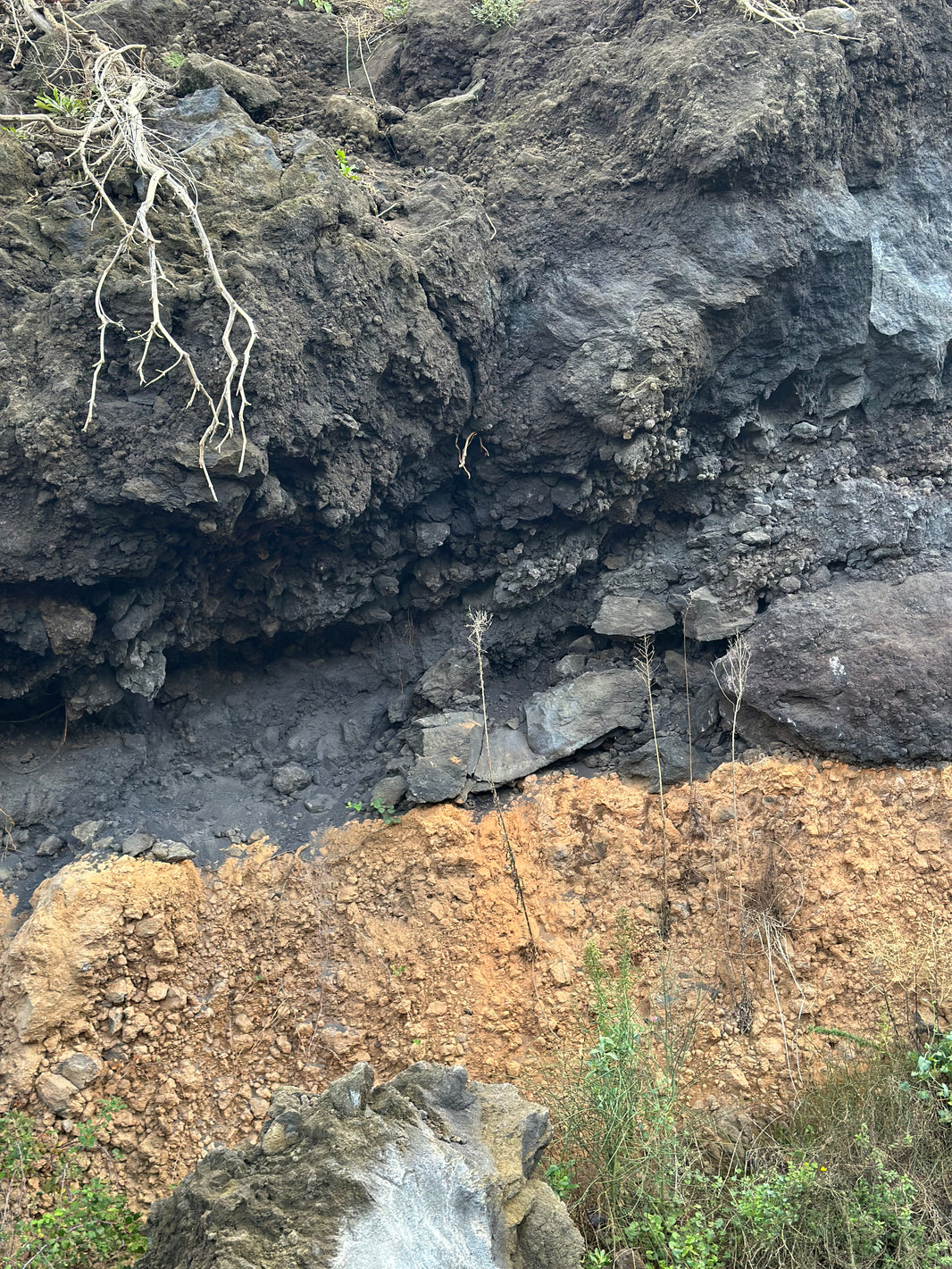
The terroir of Etna is defined by its volcanic soils, high-altitude vineyards, and extreme climatic conditions, creating a unique environment for winegrowing. The soils, composed of decomposed lava, ash, and minerals, provide excellent drainage and impart a distinct minerality and complexity to the wines. Vineyards are planted on the slopes of the active volcano at elevations ranging from 400 to over 1,000 meters, where the dramatic day-night temperature variations help preserve acidity and enhance aromatic intensity.
The combination of Etna’s ancient, ungrafted vines, the influence of Mediterranean breezes, and the constant renewal of soil through volcanic activity results in elegant, structured wines, particularly from Nerello Mascalese, which expresses finesse, smoky minerality, and a balance between power and freshness, capturing the singular character of this ever-evolving landscape.

image in image with text
Region

Sicilia

Sicily’s terroir is marked by its diverse landscapes, ranging from the volcanic soils of Mount Etna to the sun-drenched coastal plains. The island enjoys a Mediterranean climate, with hot, dry summers and mild winters, which, combined with cooling sea breezes and significant diurnal temperature variation, creates ideal conditions for viticulture. The soils vary widely, with volcanic ash and basalt in the eastern regions near Etna, providing excellent drainage and rich mineral complexity, and sandy, clay-rich soils in the coastal areas, enhancing the fruit-driven qualities of the wines. Sicily’s varied terroir supports a range of native grape varieties, such as Nero d'Avola, Frappato, and Grillo, as well as international varieties like Syrah and Chardonnay, each expressing the island’s characteristically bold, aromatic, and sun-ripened profile. The result is a wide spectrum of wines, from powerful reds to crisp, refreshing whites, all imbued with the unique influences of the island’s volcanic, coastal, and mountainous terrain.